
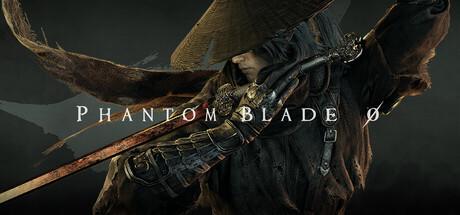
 $59.99
Is Phantom Blade Zero worth it?
Phantom Blade Zero is worth it if…
- you want fast, flashy martial arts combat with real choreography behind it
- you like a dark story with a countdown: sixty-six days, one conspiracy, one warrior
- you enjoy exploring a world where every secret leads to another
- you found classic Soulslikes too punishing on the run back, but still want boss fights that demand practice
- you care more about the fights than the writing: the dialogue is the weakest part
Screenshots


Combat built on real kungfu choreography
Fights flow in one unbroken motion: dodge, deflect, counter, strike. The moves come from martial arts choreographers of classic wuxia cinema, captured with motion capture, so every stance and strike is rooted in real technique. Combos are easy to pick up and rewarding to master, and the deadly details inside each technique only open up for true masters.
You start with over 30 primary weapons to learn, plus more than 20 Phantom Edges wrested from fallen foes. Each one changes how a fight feels: some turn a well-timed block into a counterattack, some are nimble and build toward a burst, some are just heavy and mean. Blades clash in showers of sparks, and victory or defeat is decided in an instant.
Kungfupunk: a wuxia world with steel and wires
The golden age of wuxia cinema collides with punk fantasy. Martial arts and cold steel sit next to mechanical prosthetics, crumbling industrial ruins and traditional Chinese aesthetics, all set to modern rock music. It adds up to a dark, unmistakable look the game calls kungfupunk.
You explore the Phantom World, where shifting light and shadow hide mysteries at every turn: Memory Flowers, the Wulin and the Discordance, Transcension, the Lady of the Veil, Inanis' Dreamscape. Every secret leads to another. When one path ends, another begins, with hidden passages and intricate mechanisms waiting for anyone who dares to look. You can pick a moment to step into it: you round a corner in the Phantom World, the light shifts, and something is glowing down a passage you had written off.
Demanding fights, forgiving structure
If you come for the Soulslike loop, the combat delivers it: learn each boss's moveset, dodge and parry at the right moment, and treat every attempt as study. Bosses hit hard, attack relentlessly, and take real practice to read.
But the game does not punish you the way the classics do. Rest points are frequent, death carries no penalty, enemies stay down once killed, and there are difficulty options if you want the pressure lower. Beaten bosses do not even restart from their first phase. The challenge lives in the fights themselves, not in the walk back to them, so a punishing duel and a relaxed evening can be the same playthrough.
What should you know before playing?
Can you play it solo?
Yes. It is a singleplayer game from start to finish: one warrior, one story, no other players involved. The whole structure is built around your own run, your own weapon choices and your own pace through the Wulin.
How hard is it, really?
The bosses demand real learning: their attacks are fast and relentless, and winning means reading their movesets and parrying at the right moment. But the game around the fights is gentle. The tension is in the duel, not the journey.
Is the story any good?
The setup is strong: Soul is framed for his master's murder, fatally wounded, and has sixty-six days to untangle a conspiracy. The world is rich with lore, from Memory Flowers to the Lady of the Veil, and there are multiple endings. Be ready for uneven writing and voice acting along the way; the plot carries more weight than the dialogue does.
What makes the weapons worth collecting?
Each has its own mechanics and its own finishers, so switching weapons genuinely changes how you fight. Trying a blade you just won is part of the reward for every boss.
What is kungfupunk?
Think golden-age kungfu cinema run through a punk fantasy filter, dark and grimy but unmistakably wuxia.


